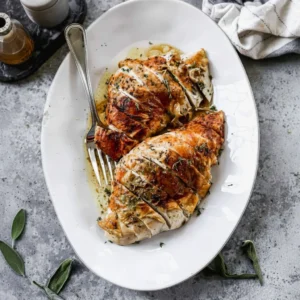
Maple-Glazed Roasted Turkey Breast Best Recipe 2025
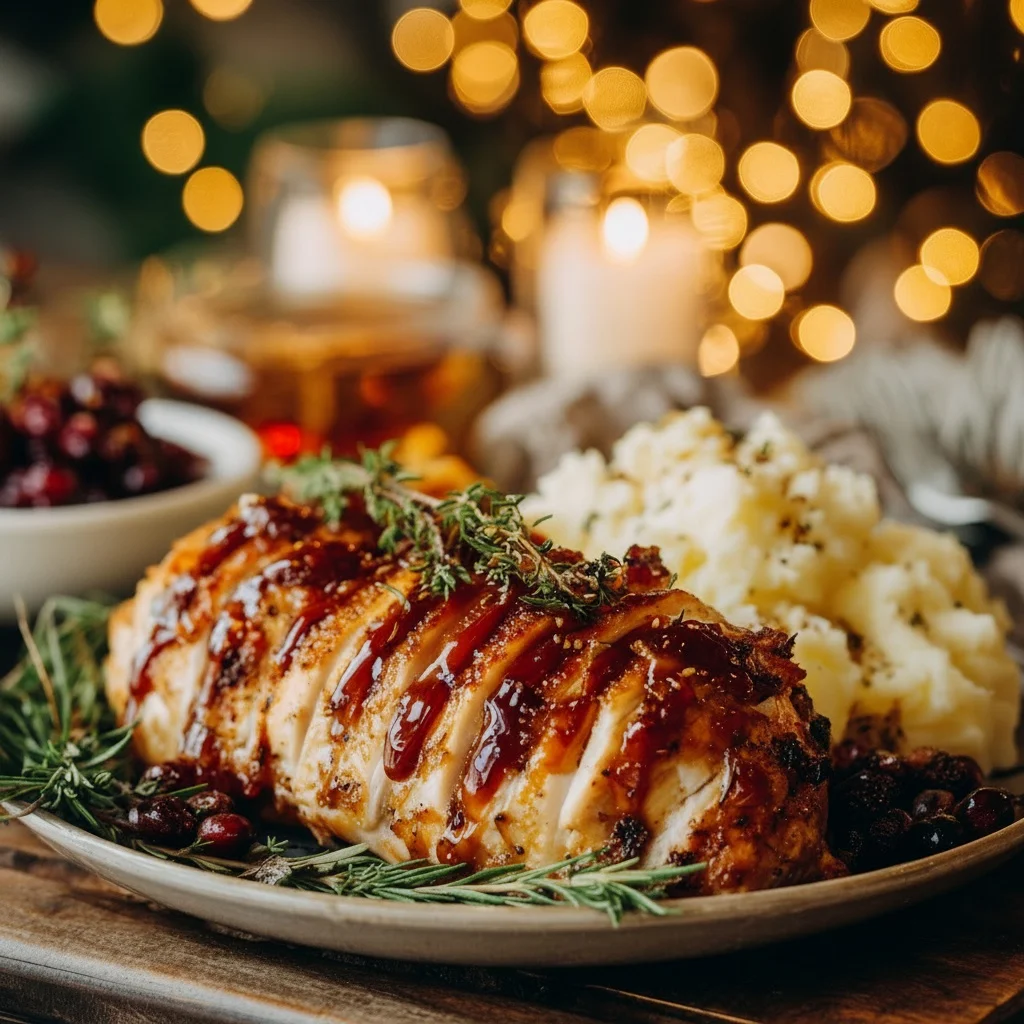
If you’re seeking an elegant yet comforting dish for your holiday table, look no further than our Maple-Glazed Roasted Turkey Breast. This recipe combines the rich, sweet flavors of maple syrup with the savory goodness of turkey, perfect for any Thanksgiving turkey dish or special occasion. The combination of sweet and savory elements creates a harmonious balance, making it a delightful centerpiece that appeals to a wide range of palates.
Ingredients
- Turkey Breast
- 1 (4-5 pounds) bone-in turkey breast, skin-on
- Salt and pepper, to taste
For the best results, choose a high-quality turkey breast with skin-on, as the skin helps keep the meat juicy during roasting. Consider sourcing a free-range or organic turkey for superior flavor. You can learn more about this topic.
- Maple Glaze
- 1/2 cup pure maple syrup
- 1/4 cup unsalted butter, melted
- 2 tablespoons Dijon mustard
- 2 tablespoons apple cider vinegar
- 1 tablespoon soy sauce
- 1 tablespoon fresh thyme leaves, chopped
- 2 cloves garlic, minced
Opt for real maple syrup rather than maple-flavored syrup for the most authentic taste. If you prefer a slightly more tangy glaze, you can increase the apple cider vinegar by a teaspoon. Check out our related guide for more tips.
- Aromatic Herbs
- 1 tablespoon fresh rosemary, chopped
- 1 tablespoon fresh sage, chopped
- 1 tablespoon fresh thyme, chopped
These fresh herbs not only enhance the flavor but also provide an inviting aroma that fills your kitchen. Feel free to adjust the herb quantities to suit your personal taste preferences.
Steps / Instructions
- Preheat your oven to 325°F (165°C). Adjust your oven rack to the lower third of the oven to allow ample space for the turkey breast.
- Place the turkey breast on a roasting rack set inside a large roasting pan. Pat the turkey dry with paper towels and season generously with salt and pepper on all sides. Ensuring the skin is dry helps it become crispy during roasting.
- In a small saucepan over low heat, combine maple syrup, melted butter, Dijon mustard, apple cider vinegar, soy sauce, fresh thyme leaves, and minced garlic. Stir until the mixture is smooth and well combined. The glaze should have a balanced consistency, neither too thick nor too runny.
- Brush the turkey breast with the maple glaze, ensuring comprehensive coverage. Reserve some glaze for basting later. Make sure to get the glaze under the skin for maximum flavor infusion.
- Scatter chopped rosemary, sage, and thyme over the turkey breast, pressing gently to adhere them to the surface. This layering of herbs will impart a deep, earthy aroma to the dish.
- Roast the turkey breast in the preheated oven for about 1.5 to 2 hours, or until an instant-read thermometer inserted into the thickest part of the breast registers 165°F (74°C). Occasionally baste the turkey with the reserved glaze to enhance flavor and moisture. Start basting after 30 minutes and repeat every 20 minutes until cooked.
- If the skin begins to brown too quickly, tent the turkey with aluminum foil to prevent burning while allowing the meat to cook through. This also helps keep the turkey moist and succulent.
- Once done, remove the turkey from the oven and let it rest for at least 15 minutes before carving. This allows the juices to redistribute, ensuring a juicy turkey breast. Carve with a sharp knife to retain all the delicious juices.
Tips & Tricks
- Make-Ahead: Prepare the maple glaze up to two days in advance and store it in the refrigerator. Reheat before using. This can save you time during the busy holiday preparation.
- Storage: Leftover turkey can be stored in an airtight container in the fridge for up to four days. For longer storage, freeze the turkey in portions, wrapped tightly to prevent freezer burn.
- Avoid Overcooking: Use a meat thermometer to prevent overcooking, which can lead to dry turkey. Aim for a final internal temperature of 165°F. Insert the thermometer into the thickest part without touching the bone for accurate reading.
- Resting Time: Do not skip the resting period; it is crucial for juicy results. If you’re in a hurry, tent the turkey lightly with foil to keep it warm during resting.
Variations
- Dairy-Free: Substitute the butter in the glaze with olive oil for a dairy-free alternative. This slightly changes the flavor, giving it a fruity undertone.
- Spice it Up: Add a dash of cayenne pepper to the glaze for a spicy kick. Adjust the quantity to your heat preference.
- Gluten-Free: Use tamari or coconut aminos instead of soy sauce to make this dish gluten-free. Both options retain the umami flavor.
- Herbaceous Twist: Incorporate other aromatic herbs like tarragon or oregano for a different flavor profile. Experiment with herb combinations to find your favorite.
Serving Suggestions
- Pairings: Serve with classic sides like mashed potatoes, cranberry sauce, and green beans. These sides complement the turkey’s flavors without overpowering them.
- Beverage: Pair with a light white wine such as Pinot Grigio or a sparkling cider. The acidity in these beverages cuts through the richness of the glaze.
- Garnishing: Garnish the platter with fresh herbs and sliced oranges for a festive touch. This not only adds color but also a refreshing layer of flavor.
FAQ
- Can I use a boneless turkey breast? Yes, though cooking times may vary. Be sure to check the internal temperature frequently. Boneless breasts may cook more quickly, so start checking earlier.
- What if I don’t have fresh herbs? Dried herbs can be used; reduce the quantity by half since they are more potent than fresh. Crush them slightly in your palms before adding to release their oils.
- Is it necessary to baste the turkey? Basting helps maintain moisture and flavor, enhancing the turkey’s overall juiciness. It’s highly recommended. If you’re unable to baste frequently, ensure a thorough initial glaze application.